

About Harmelo
Lifecycle continuity for building and energy infrastructure
Harmelo was established after years working directly within mechanical and building infrastructure, where a consistent pattern became clear:
Long-lived systems operate across decades, yet the records that explain their history rarely persist with the same continuity.
Buildings endure across generations. Equipment within them evolves through multiple cycles of installation, service, and replacement. As ownership changes and operational responsibilities shift, lifecycle context often fragments.
Decisions around maintenance, capital planning, and risk are frequently made without complete historical visibility.
This is not a failure of any single organization. It is the natural outcome of systems operating without persistent identity.
Harmelo exists to establish continuity across these transitions through neutral registry infrastructure that preserves lifecycle context over time.
The objective is durable clarity.
Predictable Outcomes Matter
Infrastructure systems continue to age whether they are tracked or not.
Without continuity, outcomes become reactive. With persistent identity, decisions become informed and deliberate.
Harmelo supports stable lifecycle oversight across ownership transitions, service cycles, and capital planning horizons by preserving a verified record of system history.
Continuity enables predictability.
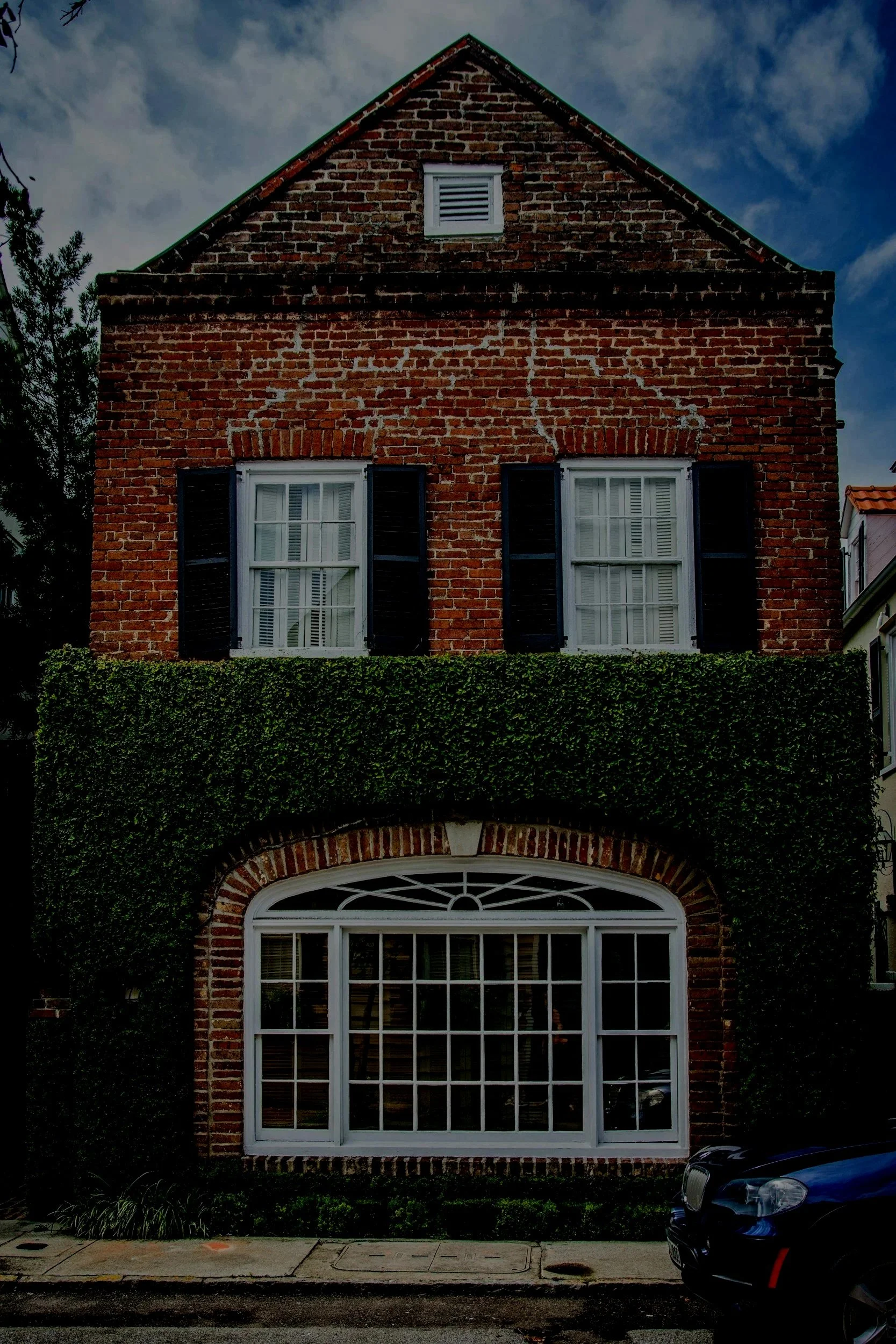

Built for Long-Term Infrastructure
Infrastructure operates across generational timeframes. Systems that support buildings and energy networks require continuity that extends beyond individual organizations or operational cycles.
Harmelo functions as a neutral registry steward within the ecosystem, preserving lifecycle records without altering operational roles or workflows.
It is not a marketplace.
It does not replace service providers.
It does not introduce operational friction.
Its role is to maintain persistent identity so decisions remain grounded in verified historical context.
As infrastructure evolves, continuity supports stability, accountability, and informed stewardship.
Supports:
• Long-term oversight
• Capital planning clarity
• Institutional governance
• Lifecycle continuity across decades
• Cross-organizational coordination
From the Founder
I didn’t start Harmelo because I wanted to build a software company.
I started it because I spent years around mechanical systems inside homes and buildings and saw the same problems happen over and over again.
People spend thousands of dollars on furnaces, heat pumps, hot water systems, and other mechanical equipment that quietly runs their homes for years. But when something goes wrong, nobody actually knows the history of the system.
Was it installed properly?
Was it maintained?
Was the warranty even registered?
Too often the answer is no one really knows.
Contractors change.
Companies go out of business.
Paperwork disappears.
Warranty registrations never get filed.
I’ve seen homeowners move into a house and have to replace a furnace or mechanical system three to six months later because there was no record of work completed on it. Home inspectors do their best, but they aren’t HVAC technicians, and without documentation it’s nearly impossible to understand the true condition or history of the equipment.
What should be predictable infrastructure turns into a stressful and expensive surprise.
The problem becomes even bigger at scale.
Housing providers, municipalities, and portfolio operators are responsible for thousands of mechanical and energy systems across their buildings. These systems age, require maintenance, and eventually need replacement. But when lifecycle records are fragmented across contractors, software platforms, and ownership changes, infrastructure decisions become reactive instead of planned.
That lack of continuity creates uncertainty everywhere — for homeowners, for operators, and for the institutions responsible for housing infrastructure.
Harmelo was created to address that gap.
The idea is simple: the systems themselves should carry their history.
Through identifiers like the Harmelo Mechanical Identification Number (HMIN™) and the Harmelo Energy Identification Number (HEIN™), mechanical and energy systems receive a persistent identity and lifecycle record that remains attached to the equipment over time.
As contractors change, software platforms evolve, and buildings move through ownership cycles, the system’s history stays intact.
For homeowners, this means clearer visibility into the infrastructure inside their homes and fewer costly surprises.
For housing providers, property managers, and infrastructure operators, it creates a foundation for responsible stewardship and long-term governance of assets that represent millions — and often billions — of dollars in capital investment.
Harmelo is designed as foundational infrastructure.
The identity layer itself is intended to be deployed freely so the systems people depend on can finally have a continuous record of their history. Over time, that continuity allows better oversight, smarter capital planning, and stronger protection for the people and organizations responsible for these systems.
At its core, Harmelo exists to restore three things that should never disappear from the infrastructure we rely on every day:
Continuity.
Clarity.
Control.
Because the systems that keep our homes and buildings running should never lose the history required to manage them responsibly.
-Brad Pettes Founder/CEO
Institutional Inquiries
Harmelo engages with housing operators, public agencies, utilities, insurers, and infrastructure stakeholders exploring registry deployment, pilot programs, or alignment with lifecycle continuity initiatives.
Please outline your context or inquiry below.